Locked Up: How Incarceration Impacts Homelessness

Leading Families Home • September 7, 2021

Homelessness Meets Incarceration

Person in orange prison uniform behind bars, hands on bars, tattoo visible.

"National research suggests that up to 15% of incarcerated people experience homelessness in the year before admission to prison. And city- and state-level studies of homeless shelters find that many formerly incarcerated people rely on shelters, both immediately after their release and over the long term." - PrisonPolicy.org


What's the connection between being incarcerated and being homeless? Studies show that homelessness is higher among specific populations, including those who have been incarcerated more than once and those who have recently been released from jail. ( See stats )


Unsheltered homeless people are more likely to "interact with the justice system" than sheltered homeless people. ( urban.org ) The reason? Unsheltered homeless people have nowhere to go - they have no home, and therefore, live their lives in the open. This includes sleeping, urinating, and asking for money - all actions which are criminalized by society. 

Man with dreadlocks sits, head down, on a concrete ledge marked

"Almost 50,000 people a year enter homeless shelters immediately after exiting incarceration." - endhomelessness.org


“We suspected that many of the problems in our communities for which elected officials seek criminal justice system solutions are actually problems of homelessness, mental illness, and untreated substance use disorder,” said Doug Smith, Texas Criminal Justice Coalition (TCJC) Senior Policy Analyst. (One Size FAILS All, TCJC Report)


Mental and Physical Health


Ex-prisoners are not equipped for the transition back into civilian life. Pre-existing mental illness is exacerbated by incarceration, and is a leading cause in both substance abuse and homelessness. Among ex-offenders, those with mental illness have a significantly higher than average rate of homelessness and housing insecurity. “37% of people in state and federal prisons have been diagnosed with serious psychological distress and 66% of people in federal prisons reported not receiving any mental health care while incarcerated.” (
Mental Health, prisonpolicy.org)


The lack of assistance and criminalization of mental illness leads to and increases due to incarceration and police interaction. Coming out of incarceration, ex-prisoners can experience increased rates of post-traumatic stress, anxiety, impaired decision-making, and more, making it harder for them to function in a society with little resources in place to treat them. (
Indicators of Mental Health Problems Reported by Prisoners and Jail Inmates 2011 - 12, U.S. Department of Justice)


Because of cost and space, many patients suffering from debilitating mental illnesses are discharged from hospitals without proper housing or resources set up and leading to homelessness, and eventually, incarceration. In a study of 132 patients discharged from Columbus State Hospital in Ohio, 36% became homeless within six months. (
250,000 mentally Ill are Homeless. 140,000 seriously mentally Ill are Homeless, mentalillnesspolicy.org)


At the Shelterhouse in Cincinnati, Ohio, 47% of the homeless individuals served by the organization were mentally ill and 56% disabled. - (
2021 Shelterhouse Statistics, shelterhousecincy.org)

Mental illness is indisputably a primary factor in homelessness and incarceration alike, and is escalated when it interacts with both. In addition, mental illness is a common cause of substance abuse and addiction which is heavily criminalized in the United States and leads to a higher rate of incarcerated homeless individuals who suffer from addiction. When a homeless individual becomes addicted to drugs or alcohol, most of the money they can come up with goes to pay for their addiction. Addicts and substance abusers are faced with disciplinary action instead of access to rehabilitation and mental health assistance which perpetuates the cycle of substance abuse, homelessness, and incarceration.


Housing and Shelter


Another factor in the relationship between homelessness and incarceration is housing affordability and rent issues. “Stable housing is the foundation of successful reentry from prison. Data shows that many formerly incarcerated people struggle to find places to live due to discrimination by public housing authorities and private property owners.” These authorities and owners implement their own screening criteria to determine if an applicant merits housing.


The process relies upon criminal record checks as a primary source of information. Along with this, credit checks, high security deposits, and other housing application requirements such as professional references serve as concrete barriers for people coming out of incarceration. With a lack of access to stable housing, the access to healthcare services, job security, and educational programs is also limited and virtually impossible. – https://prisonpolicy.org/reports/housing.html#raceandgender


While it was found that 203 out of every 10,000 formerly incarcerated people were homeless, nearly three times as many - 570 out of every 10,000 - were housing insecure. Research has also uncovered notable demographic differences by expanding our view to the housing insecure population: Hispanics, for example, were more likely than people of any other race to live in marginal housing. Men had much higher rates of marginal housing than women, resulting in high rates of housing insecurity. And older formerly incarcerated people experienced the highest rates of housing insecurity. - https://www.prisonpolicy.org/reports/housing.html#raceandgender


Oppressed Populations & Discrimination


The role race, gender, and sexuality plays in incarceration and homelessness must be addressed in order to better understand the unique circumstances populations face. Oppression and discrimination hinders individuals from obtaining the resources they need and being treated with fairness and compassion. Because of disproportionate policing in Black and Latinx communities and racial disparities in convictions and sentencing, Black and Latinx people are more likely to be involved with the criminal justice system and, as a result, are more likely to face housing discrimination because of a criminal record. Excessive policing is a major factor in the misrepresentation of criminality in Black and Latinx communities. This discrimination follows these communities through the justice system and prevents equal access to resources after exiting.
https://housingmatters.urban.org/feature/communities-can-better-prevent-homelessness-through-housing-and-justice-system-partnerships


Gender, race, and ethnicity combine to put women of color at greater risk of unsheltered homelessness. Black women experience the highest rate of sheltered homelessness – nearly four times the rate of white men, and twice as high as the rate of Black men. Women of color have been excluded from social resources necessary to succeed after incarceration at a rate higher than other populations. 

(See the statistics)- https://prisonpolicy.org/reports/housing.html#raceandgender


These disparities between populations and unequal access to resources must be recognized. Working toward more inclusive and anti-oppressive policies is essential to creating opportunity for ex-prisoners and homeless individuals. 


There is a strong link between incarceration and homelessness among formerly incarcerated LGBTQ youth. LGBTQ youth face higher rates of detention and incarceration. “A 2015 study shows that 20% of all youth in the juvenile justice system identify as lesbian, gay, bisexual, questioning, gender nonconforming, or transgender, even though they compose only 5-7% of the total U.S. youth population.” This high percentage of justice-involved LGBTQ may be driven by their even higher rates of homelessness. Homelessness is the greatest predictor of involvement with the juvenile justice system, and 40% of homeless youth identify as LGBT. Incarceration can be detrimental to young people’s physical and mental health, their relationships, and their social and economic prospects. Juvenile delinquency records can prevent them from accessing housing and finding employment once released, and they face similar discrimination but public housing authorities as incarcerated adults. Finding stable housing post-release and eradicating discrimination based on criminal records is of utmost importance to avoid cycles of reincarceration, especially when this cycle starts at such a young age. 

https://prisonpolicy.org/blog/2019/01/22/lgbtq_youth/


As youth transition into adulthood, the disproportionate amount of LGBTQ homeless and incarcerated people continues to rise. Lesbian, gay, and bisexual people are incarcerated at three times the rate of straight people.
https://prisonpolicy.org/blog/2019/01/22/lgbtq_youth/

If these forms of intersectional discrimination and layered oppression are not addressed, there cannot be steps made toward equity for all populations.


What can be done about this interaction of homelessness and incarceration?


In its report, the National Low Income Housing Coalition states that "the causes of homelessness among former prisoners include discrimination, a reliance on criminal records to screen potential tenants, the shortage of affordable housing, large security deposits, and other application requirements like professional references." (Nowhere to go: Homelessness among formerly incarcerated people)


Also noted as causes of homelessness among the incarcerated: lack of safe and stable housing, lack of healthcare services, obtaining employment, and access to educational opportunities.


TCJC recommends a better reentry system that helps people understand their housing options before they leave prison. The system should also help them obtain housing and rental assistance.


"The report also encourages cities and states to “ban the box” asking about criminal records on housing applications, end the criminalization of homelessness, and expand social services for people without a home."

November 21, 2025
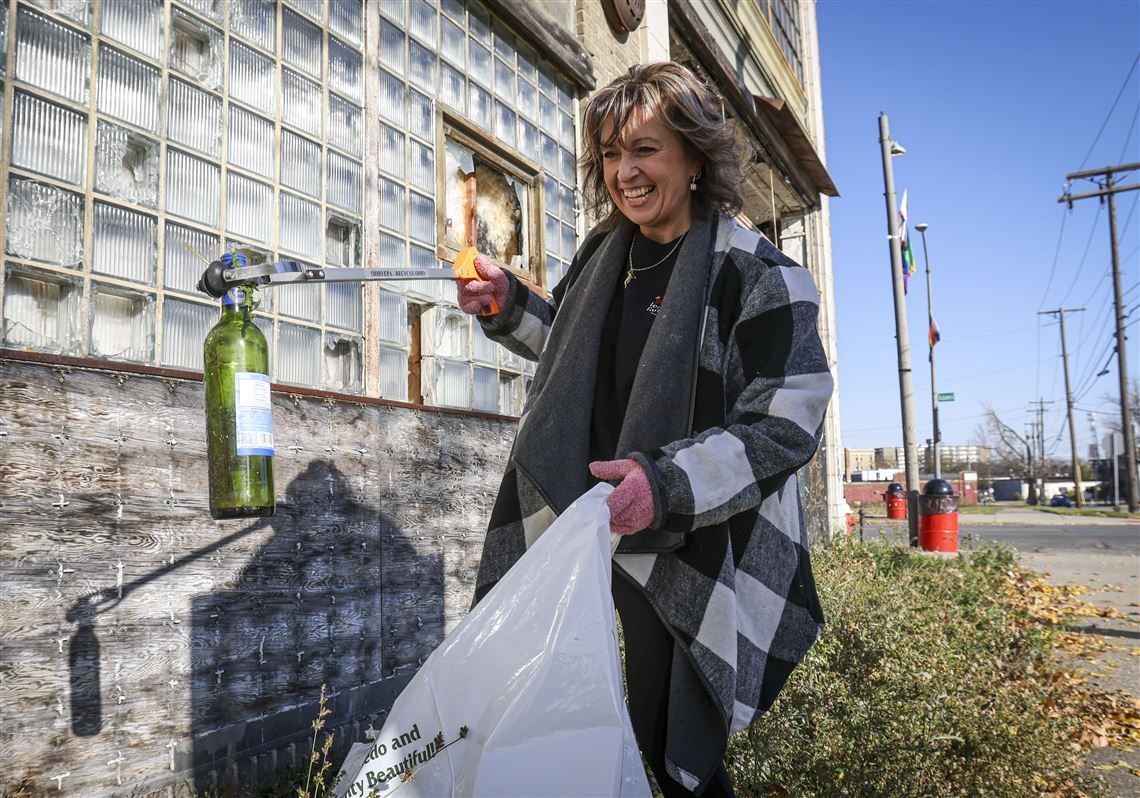
About 75 volunteers participated in the first-ever UpTown Cleanup Day on Friday. Beyond the obvious goal of helping one of Toledo’s near-downtown neighborhoods make more strides toward a comeback, the event had a more serious objective for some of the participants: keeping an eye out for homeless people in need of services. The Toledo Lucas County Homelessness Board was one of the event partners for that reason. It viewed the cleanup as a chance to become more visible and possibly connect more directly with those in need, said Julie Embree, the board’s executive director. “There’s been an increase in the number of folks on the street, with the economy the way it is and the lack of affordable housing,” she said. “We want to provide grace to our homeless folks.” Toledo’s regular number of 588 shelter beds are at capacity, Ms. Embree said. “There are more than 250 people on wait lists now,” she said. Sandra De Steno, United Way of Greater Toledo 211 director, said that wait list includes about 175 families. The last time the need was this great was during the coronavirus pandemic. She said relief came back then in the form of the American Rescue Plan Act of 2021. Also called the coronavirus stimulus package, ARPA provided $1.9 trillion in federal money to help cities nationwide. Now, there are “fewer and fewer resources to stabilize them,” Ms. De Steno said of homeless people. “There’s a lot of people focused on [donating] food right now, but food is only one of the many things that people need,” she said. Lisa Pengov, the homelessness board’s operations manager, said the problem “keeps getting worse.” “We have a lot of encampments popping up right now,” she said. “Homeless individuals are staying out on the street because all of the shelters are full. The encampments are getting larger and larger, and we’re getting more people on the street.” The event was organized by ConnecToledo, in partnership with Downtown Toledo Improvement District. Betsy Ujvagi, ConnecToledo office manager, agreed the cleanup was a good “visibility opportunity” for the homelessness board to help expand its reach. “We’re in a different environment this year,” Ms. Embree said. “We anticipate the number of people we see on the street is going to grow. Let’s find some grace and connection for our unsheltered folks. We’re asking our businesses for help to do that. As much as anything, Ms. Embree said, the UpTown district cleanup was an event “to showcase how we can work together and find solutions.” She and others said they hope it expands to other neighborhood districts. They saw Friday’s event as the kickoff for multiple cleanups in the spring and fall of 2026. One of the many other groups involved was Keep Toledo/Lucas County Beautiful. Its executive director, Adam Cassi, said that group provided gloves, bags, litter tongs, and other supplies. Volunteers met at 10 a.m. at UpTown Green, 1904 Madison Ave., and spent a couple of hours picking up litter. “It’s a way to beautify our city, but it also shows people are dedicated to making our city a good place to live,” Mr. Cassi said. He said cleanups are good for residents and good for the business community. “There’s a lot of research that says once an area is clean it’s easier to keep it that way,” Mr. Cassi said. “It shows that we take pride in our city, and that littering is socially unacceptable.” One of the people picking up trash was Johnathan Nichols, 35, Family House marketing and development director. “We’ve seen an increased need and we continue to rally for community support to serve the families,” Mr. Nichols said. Another volunteer, Corey Julius, 34, works at the nearby Toledo Metro Federal Credit Union, 1212 Adams St., as its vice president of lending. “I want to give back to the community. Helping to clean up is an easy way for us average people to chip in a bit,” Mr. Julius said. “I was pleasantly surprised to see the turnout. Honestly, there are more people than I expected to be here.” First Published November 14, 2025, 4:30 p.m. Source: https://www.toledoblade.com/local/city/2025/11/14/first-uptown-cleanup-serves-dual-purpose/stories/20251114122
November 20, 2025
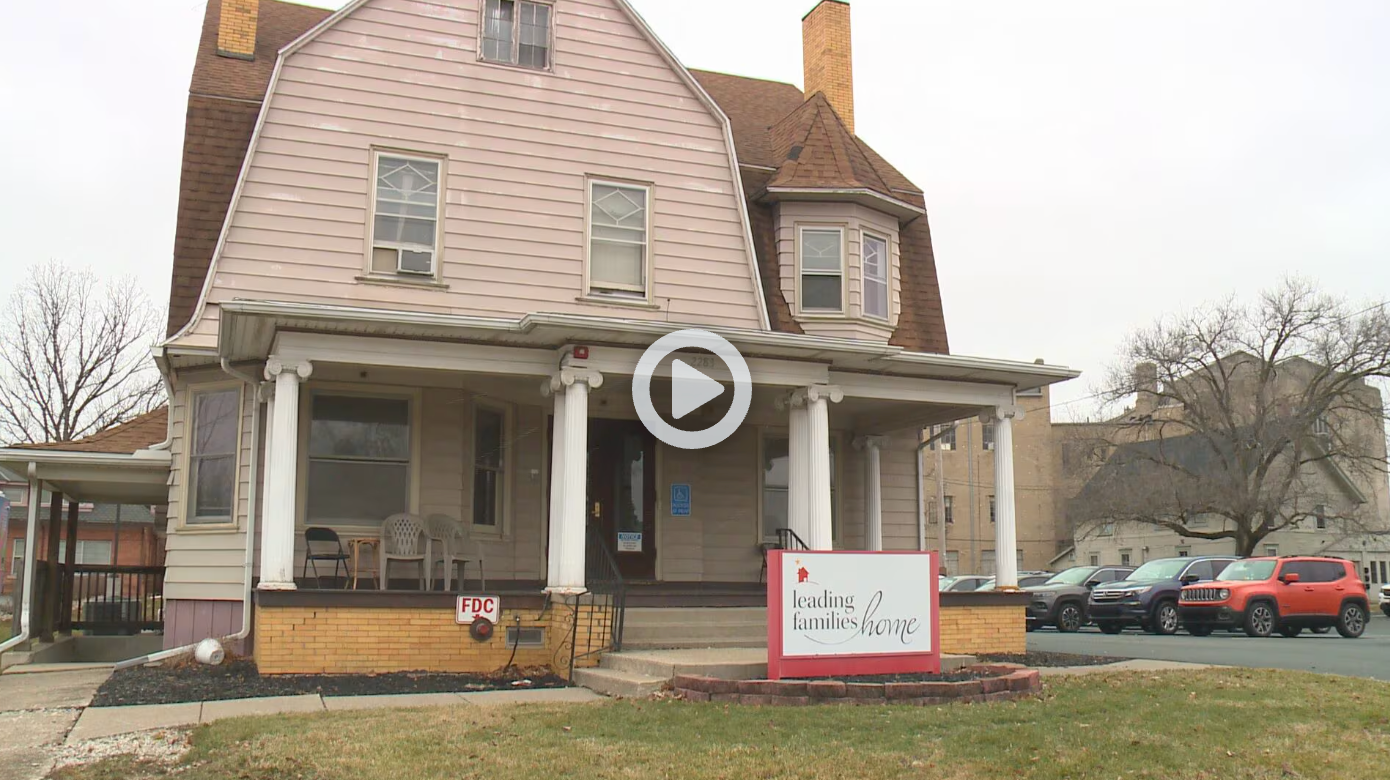
TOLEDO, Ohio (WTVG) - The Family House shelter will continue operating after Leading Families Home acquired the location, receiving nearly $300,000 from city council. The Family House had been operating in the red for over a year and was at risk of closure, Leading Families Home executive director Jennifer Jacobs said. Without the funding, the shelter would have closed and put over 100 residents back on the streets. “It helps with the transition period because we’re waiting for the grants to be transferred over to the Leading Families Home name. We can’t allocate salaries; there are many things we can’t do until these transitions take place,” said Jacobs. Brittany Perkins, a resident at Family House, said she doesn’t know where she would be without the shelter. Perkins said she came from a domestic violence situation and stays at the shelter with her one-year-old son, Jasper. “I am extremely grateful,” Perkins said. The shelter’s family focus allows Perkins and her son to stay together. “They’re able to give you a single room for you and your family to be in. They’re giving you everything, bed sheets and all that. They’re giving you a new opportunity,” Perkins said. The merger creates the largest organization in the area dedicated to serving families in crisis. “We’ll have room for about 204 extra beds in the community to help families,” Jacobs said. Perkins said she’s set up with a place to rent and is just waiting for a unit to become available. Source: https://www.13abc.com/2025/11/15/leading-families-home-acquires-family-house-shelter/
November 18, 2025
For more than a decade, Ron Ranallo has helped shape the mission and impact of Leading Families Home. His involvement began long before the organization was known by its current name. He served on the board of FOCUS and later supported the transition when FOCUS merged with Beach House in 2016. The merger was not simply a structural change. It allowed families experiencing homelessness to access multiple forms of support under one roof. “I have been part of this organization through five executive directors and a lot of change, but the mission has never shifted,” Ron said. “We are here to end homelessness, or at least significantly reduce it, and we are doing the work every day.” A Personal Call to Serve Ron’s path to LFH began during his career at Owens Corning, where he was asked to lead the company’s United Way initiative. He spent years engaging with local nonprofits, learning about community needs, and seeing firsthand how many families in Northwest Ohio were struggling. That experience permanently changed his perspective. “Once you understand the reality of homelessness in our community, you cannot unsee it,” he said. “It became clear this was something I needed to give my time to.” He later joined the board of the Aurora Project at the request of a colleague, which eventually led to his involvement with FOCUS and then Leading Families Home. Today, he serves as treasurer and a member of the finance committee. Why LFH’s Model Works Ron believes the heart of LFH is its continuum of care. The organization doesn’t only offer shelter. It provides a path to stability, with wraparound services designed to help families rebuild and remain housed. “We do not just give someone a bed and send them back into the world,” Ron said. “We stabilize families. We subsidize rent. We make sure children can stay in the same schools. Parents receive employment coaching and support. It’s about long-term success, not a temporary solution.” Much of that work depends on experienced case managers and social workers who guide families through the process. Many have been with LFH for years, offering consistency and compassionate care. “They are the heart of this organization,” he said. “These are high-stress jobs, and the people who stay do it because they are called to this work. They believe in the mission.” Breaking the Cycle for Children If you were to ask Ron about LFH, he would return again and again to one point: the children experiencing homelessness. He would emphasize that when a family loses housing, the instability affects everything from education to emotional development. “No child chooses homelessness,” he said. “It is traumatic for adults and even more traumatic for children. When you provide stability, counseling, and a chance to stay in school, that is how you break the cycle. You give children a chance.” To Ron, that is where LFH makes its most meaningful impact. Housing is not the finish line. It is the foundation that allows families to rebuild. Stories of Transformation Some of the most powerful moments for Ron come from hearing directly from families who have gone through LFH programs. During fundraising events, former residents often share their stories of navigating crisis, finding stability, and rebuilding their lives. “These success stories are tragic, but also inspiring,” he said. “No two stories are the same, other than they ended up in a shelter. Hearing how far they have come is incredibly powerful.” One story stays with him. A former Beach House resident, who spent time in the shelter as a child, is now a business professional serving on the LFH board. “His story is full-circle,” Ron said. “He is successful, he is giving back, and it all started with the stability his family found here.” Homelessness is a Serious Community Issue That Requires Community Action Although LFH has made tremendous strides, Ron believes the scale of homelessness is far larger than most people realize. Hundreds of families in Northwest Ohio are currently unhoused, and that number is significantly underreported. “I wish more people understood the magnitude,” he said. “It is a gigantic number, and it is growing.” Ron believes the community can do better by working more collaboratively. Rather than many organizations working separately, he believes there should be more partnerships, shared resources, and streamlined services. “There needs to be more collaboration and fewer silos,” he said. “It is more efficient for donors and more effective for families.” Funding is another challenge, especially because nonprofits often receive grants through reimbursement-only models. The organization spends the money first, then waits to get it back. Ron sees unrestricted funding as essential to sustainability. “Unrestricted funding is critical,” he said. “It allows an organization to make strategic decisions and run its operations without waiting for reimbursement.” Why Volunteers Matter While financial support is important, Ron believes volunteering changes the way people see homelessness. It gives community members a firsthand understanding of who is being served and what they are overcoming. “When you volunteer, even for a short time, it becomes personal,” he said. “You see what is happening behind the curtain, and that is what hooks people. That is what hooked me.” Ron encourages anyone looking for purpose or connection to get involved. LFH offers opportunities for short-term, long-term, and group volunteering, all of which make a difference. Looking Ahead LFH is preparing for major growth as it acquires Family House and expands its capacity. This includes additional housing units, more behavioral health support, and a broader range of services designed to keep families stable long after they leave shelter. “That is the future,” he said. “Comprehensive services, continuity of care, and collaboration. We are moving in that direction, and it gives me hope.” After ten years of service, Ron remains committed, both personally and financially, to the mission. “I am proud of what we have built, and I am proud of the families who have worked so hard to rebuild their lives,” he said. “Ending homelessness is a big goal, and we cannot do it alone. But every family that finds stability is proof the mission matters. And that is what keeps me here.”
Show More